
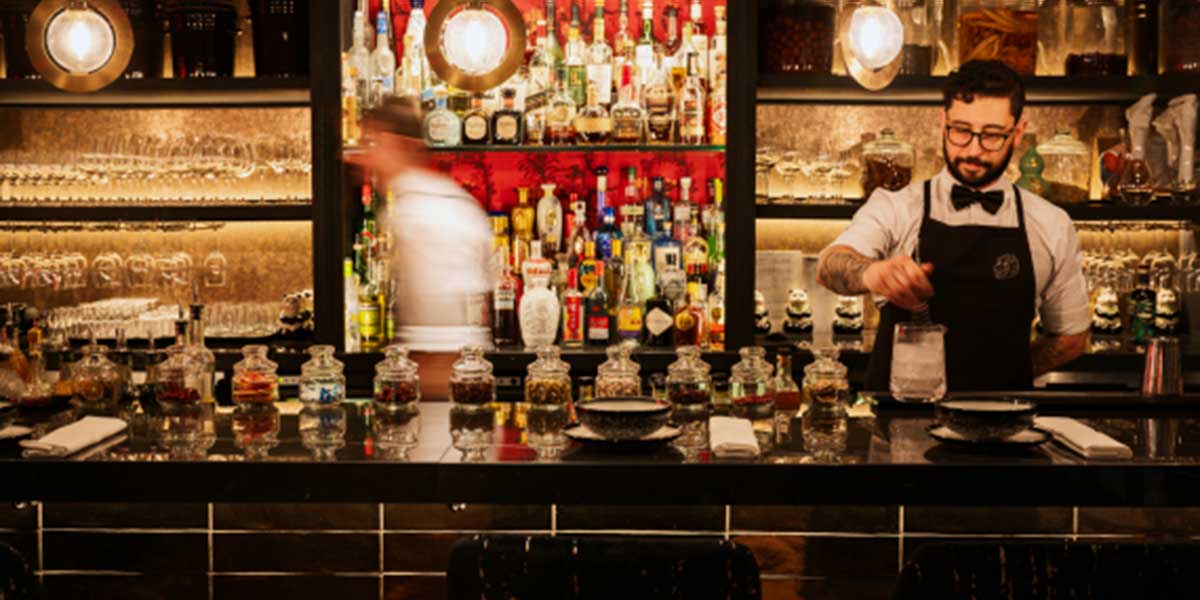
In recent years, Toronto has earned an increasingly prominent place in the North American cocktail scene. Yet, beyond the accolades and international rankings, what truly sets Toronto apart is the diversity of its nightlife.
There are classic bars within historic hotels, neighborhood haunts, speakeasies hidden behind curtains, "listening bars" where vinyl records take center stage alongside the cocktails, and venues where art, gastronomy, music, and design coexist under one roof.
In Little Italy, the experience might begin at Bar Pompette, a French-inspired bar where local Ontario ingredients are reimagined in new ways. Their approach demonstrates that a cocktail can truly embody a sense of place. It is no coincidence that this venue currently holds the number 8 spot on the "North America’s 50 Best Bars" list, cementing its status as a key player in Toronto’s scene.
 Toronto’s tourism economy generated $9 billion in visitor spending in 2024.
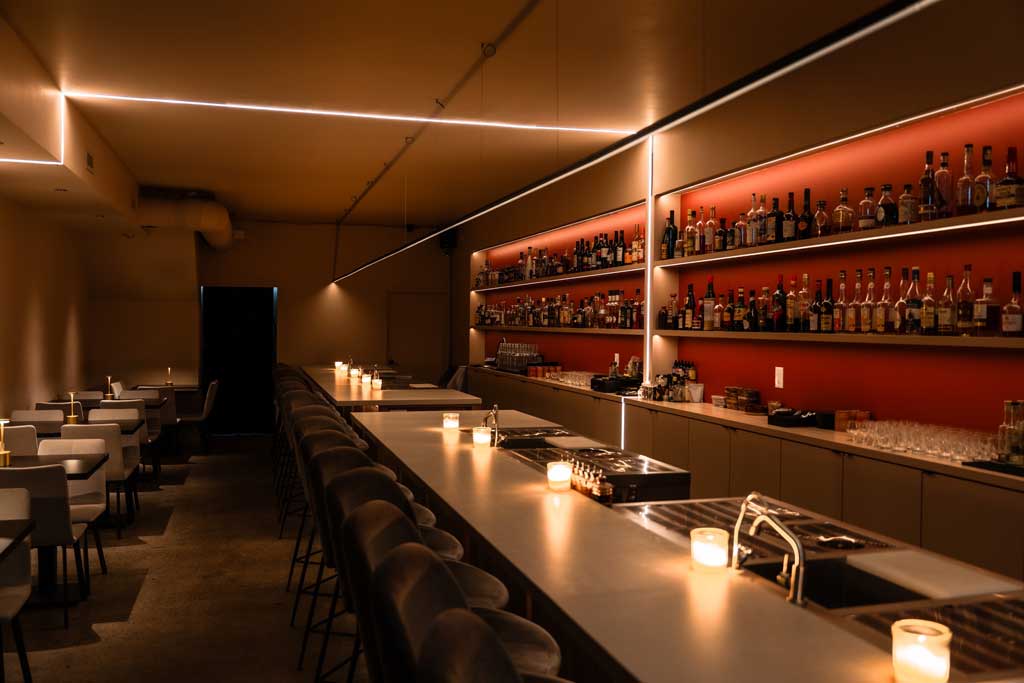
Just a few blocks away, Suite 115 offers a completely different experience: it captures the spirit of a hidden bar, with an understated entrance leading into an intimate space and a concept that champions bold flavor combinations and strong culinary influences.
At the historic Library Bar inside the Fairmont Royal York, tradition meets contemporary mixology. With a history spanning over five decades, the venue embodies Toronto’s ability to preserve its classics while constantly reinventing itself.
Over in Queen West, Mother takes experimentation to the next level. Fermentation, kombucha, distillation, and culinary techniques are all part of an approach where the cocktail begins long before it reaches the glass. At Civil Liberties in Bloorcourt, the experience is far more personal: there is no traditional menu. Instead, the bartender chats with each guest about their preferences and crafts a drink specifically tailored to their tastes.
Perhaps this is one of the city’s most intriguing characteristics: Toronto’s personality shifts from one neighborhood to the next. Dundas West and Little Portugal bring together art, design, gastronomy, and nightlife. In this area, Cry Baby Gallery starts out as a contemporary art gallery but reveals a bar hidden behind a curtain.
Over on Ossington, a new generation of nightlife venues blends mixology, dining, and design. Elsewhere in the city, bars are transforming into listening rooms, DJ venues, or spots where wine, vinyl records, and food merge into a single, cohesive experience.
Driving this evolution are the bartenders, owners, chefs, distillers, and creators who have turned their venues into extensions of the city’s identity. Christina Veira—co-owner of Bar Mordecai and founder of STAVE—is one of the figures representing this new wave.
The same applies to figures like James Grant (Library Bar), Massimo Zitti (Mother), and Nick Kennedy (Civil Liberties), all of whom have helped shape Toronto’s drinking culture from their own unique perspectives.
The vibrancy of this community is also reflected in the Toronto Cocktail Festival; from October 18 to 25, 2026, it will celebrate the city’s bar and cocktail culture for the second year running. Over eight days, bartenders, chefs, and industry talents will headline a program that goes well beyond just cocktails, featuring neighborhood tours, pairing dinners and brunches, guest bartender appearances, and special events.