
With 22 hotels recognized with Michelin Keys, Brazil stands as the nation with the highest number of such hotels among the seven countries considered in the region.
The Michelin Key is the Guide’s distinction for hotels, and it is separate from the Michelin Stars awarded to restaurants.
This recognition in the 2026 edition places Brazil at the heart of the South American hospitality landscape, offering a gateway to discover accommodation options tied to its cities, beaches, and natural scenery.
To award them, inspectors evaluate five criteria: architecture and interior design, quality and consistency of service, the establishment’s personality, value for money, and its contribution to the surrounding environment. According to the Michelin Guide, one Key signifies a very special stay; two, an exceptional experience; and three, an extraordinary experience.
What Michelin Keys represent
The scale is not based solely on luxury or price. It distinguishes accommodations based on their design, service, personality, and relationship with their surroundings, encompassing properties of various styles and price points. The Brazilian selection includes both urban hotels and retreats located near natural destinations, offering experiences that reflect the diversity of their respective settings.
Location is an integral part of the experience each hotel offers. In natural destinations, the landscape and the connection to the environment enhance the stay; in cities, the architecture and cultural life become part of the journey. In this way, the selection encourages travelers to view hospitality as an essential component of the trip and the identity of each destination.
Brazil boasts the most extensive selection in South America
Eighteen of the 22 Brazilian establishments are members of the Brazilian Luxury Travel Association (BLTA), a group that brings together high-end tourism companies. While membership and the Michelin distinction are separate benchmarks, together they highlight Brazil’s significant presence in the regional hospitality sector and the breadth of its offerings.
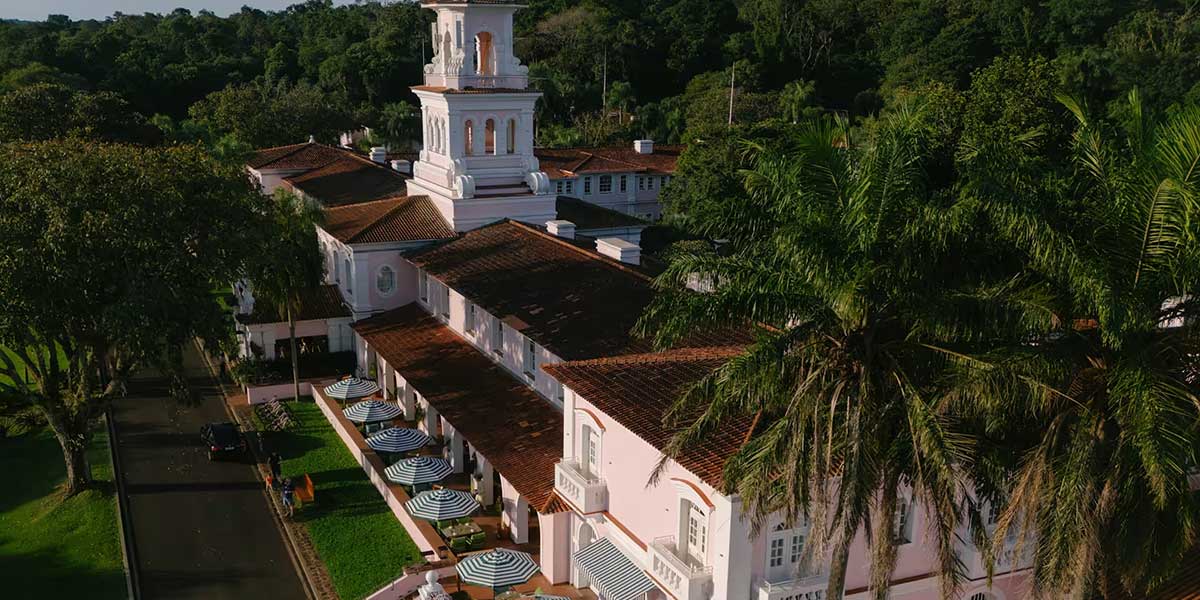
This diversity is also reflected across the country’s vast territory. Hotel das Cataratas [opening photo], located at Iguazu Falls and distinguished with three Keys, sits within Iguazu National Park; meanwhile, Rosewood São Paulo—also holding three Keys—occupies part of the Cidade Matarazzo complex. The Brazilian selection encompasses accommodations in cities, beach resorts, and nature destinations, offering a chance to explore various ways of blending hospitality, architecture, and landscape.
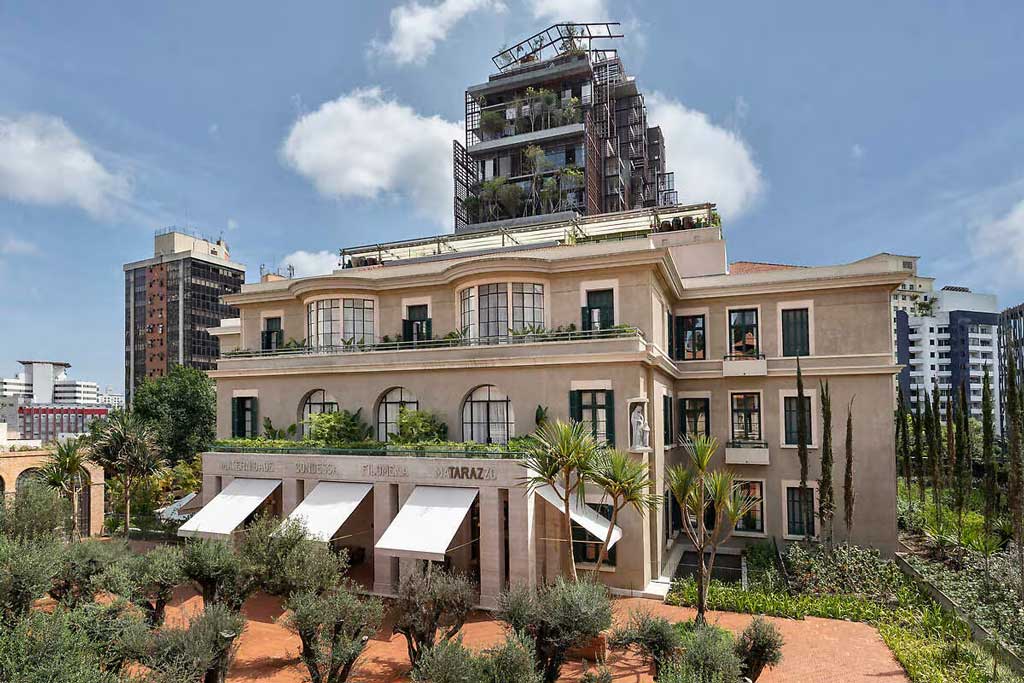 Rosewood São Paulo.
Recognition within the Brazilian tourism landscape
This distinction arrives during a period of growth for inbound tourism. Brazil welcomed 9.29 million international tourists in 2025, a 37% increase compared to 2024. That same year, international travel revenue reached $7.86 billion—up 7.1% from the previous year—according to Embratur.
Embratur also reported that tourism generated 137,452 direct formal jobs in 2025. These figures underscore the sector's significance to the Brazilian economy and highlight the importance of a diverse hotel offering distributed across major urban centers, coastal destinations, and natural areas.
With 22 distinguished hotels—ranging from immersive national park experiences to urban stays rooted in architecture and culture—Brazil presents a hospitality landscape best discovered through its destinations. The Michelin selection illustrates how these accommodations integrate design, service, and their surroundings across the country's various regions.